
Recent Advancements in Automotive Plastics Technology

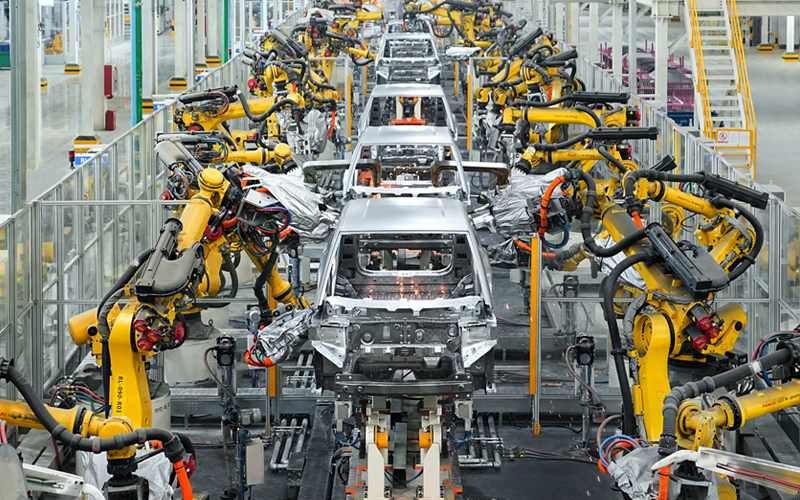
The automotive industry is undergoing a significant transformation, with plastic components playing an increasingly crucial role in vehicle design and manufacturing. At PR Plastics, we're at the forefront of this evolution, constantly researching and implementing the latest advancements in automotive plastics technology.
Lightweight Materials: The Future of Automotive Design
Weight reduction remains one of the primary objectives for automotive manufacturers, driven by the need to improve fuel efficiency and reduce emissions. Recent advancements in polymer science have introduced a new generation of lightweight materials that maintain or even enhance structural integrity.
Carbon fiber reinforced polymers (CFRP) have seen significant cost reductions, making them more viable for mass-produced vehicles. Additionally, glass fiber reinforced thermoplastics offer an excellent balance of weight reduction and cost-effectiveness, with improvements in impact resistance and dimensional stability.
High-Performance Composites
The development of high-performance composites has revolutionized what's possible with plastic components in automotive applications. These advanced materials combine the benefits of multiple substances to create solutions that address specific challenges:
- Nano-composite materials that enhance mechanical properties
- Multi-material systems that optimize performance for specific applications
- Bio-based composites that reduce environmental impact while maintaining performance
These composites allow for thinner wall sections, reduced weight, and improved functional integration, all while meeting stringent automotive requirements.
Advanced Manufacturing Techniques
The advancements in materials science have been complemented by innovations in manufacturing processes. Multi-material injection molding allows for creating complex components with varying properties in different areas, reducing assembly requirements and improving overall quality.
Additive manufacturing (3D printing) has also evolved from primarily being used for prototyping to becoming a viable production method for certain components. This technology enables:
- Complex geometries that would be impossible with traditional manufacturing
- Reduced tooling costs for low-volume production
- Rapid iteration and customization capabilities
- Optimized structures that reduce weight while maintaining strength
Smart Materials and Integrated Electronics
Perhaps the most exciting frontier in automotive plastics is the development of smart materials and the integration of electronics within plastic components. Conductive polymers and materials with embedded sensors are transforming conventional parts into intelligent systems that can:
- Monitor structural integrity and performance
- Provide haptic feedback for human-machine interfaces
- Dynamically adjust properties based on environmental conditions
- Reduce wiring complexity through integrated circuits
These innovations are particularly relevant as vehicles become more autonomous and connected, requiring more sensors and electronics throughout the vehicle.
Sustainability Innovations
Environmental considerations have driven significant research into sustainable alternatives for automotive plastics. Bio-based polymers derived from renewable resources are increasingly viable for automotive applications, with improvements in thermal stability and mechanical properties.
Recycling technologies have also advanced significantly, with chemical recycling processes able to break down polymers to their base molecules, allowing for true circular economy solutions. These processes result in recycled materials with properties nearly identical to virgin materials.
Future Outlook
The pace of innovation in automotive plastics shows no signs of slowing. We anticipate continued advancements in:
- Self-healing polymers that can repair minor damage autonomously
- Shape-memory materials that can change form in response to stimuli
- Further integration of electronics and sensing capabilities
- Improved end-of-life recyclability and sustainable material sources
At PR Plastics, we're committed to staying at the cutting edge of these developments, incorporating new technologies into our manufacturing processes and product offerings to provide our automotive clients with the most advanced solutions available.
As the automotive industry continues its evolution toward more efficient, connected, and sustainable vehicles, plastic components will play an increasingly vital role. By embracing these technological advancements, we're helping our clients meet the challenges of today while preparing for the opportunities of tomorrow.
Dr. Rahul Sharma
Chief Technology Officer
Dr. Rahul Sharma brings over 15 years of experience in polymer science and plastic manufacturing. As the Chief Technology Officer at PR Plastics, he leads our research and development initiatives to bring cutting-edge solutions to our automotive clients.
Related Articles
March 10, 2025

February 20, 2025
Categories
Subscribe to Our Newsletter
Stay updated with the latest insights and news in the automotive plastics industry.
We respect your privacy. Unsubscribe at any time.